Forklifts, as core material-handling equipment in logistics operations, depend on lubricants throughout their rental lifecycle. These lubricants reduce component wear, extend service life, and ensure stable performance. This guide outlines 4 critical lubrication scenarios in forklift rentals, aligning oil selection with operational needs to safeguard equipment reliability.
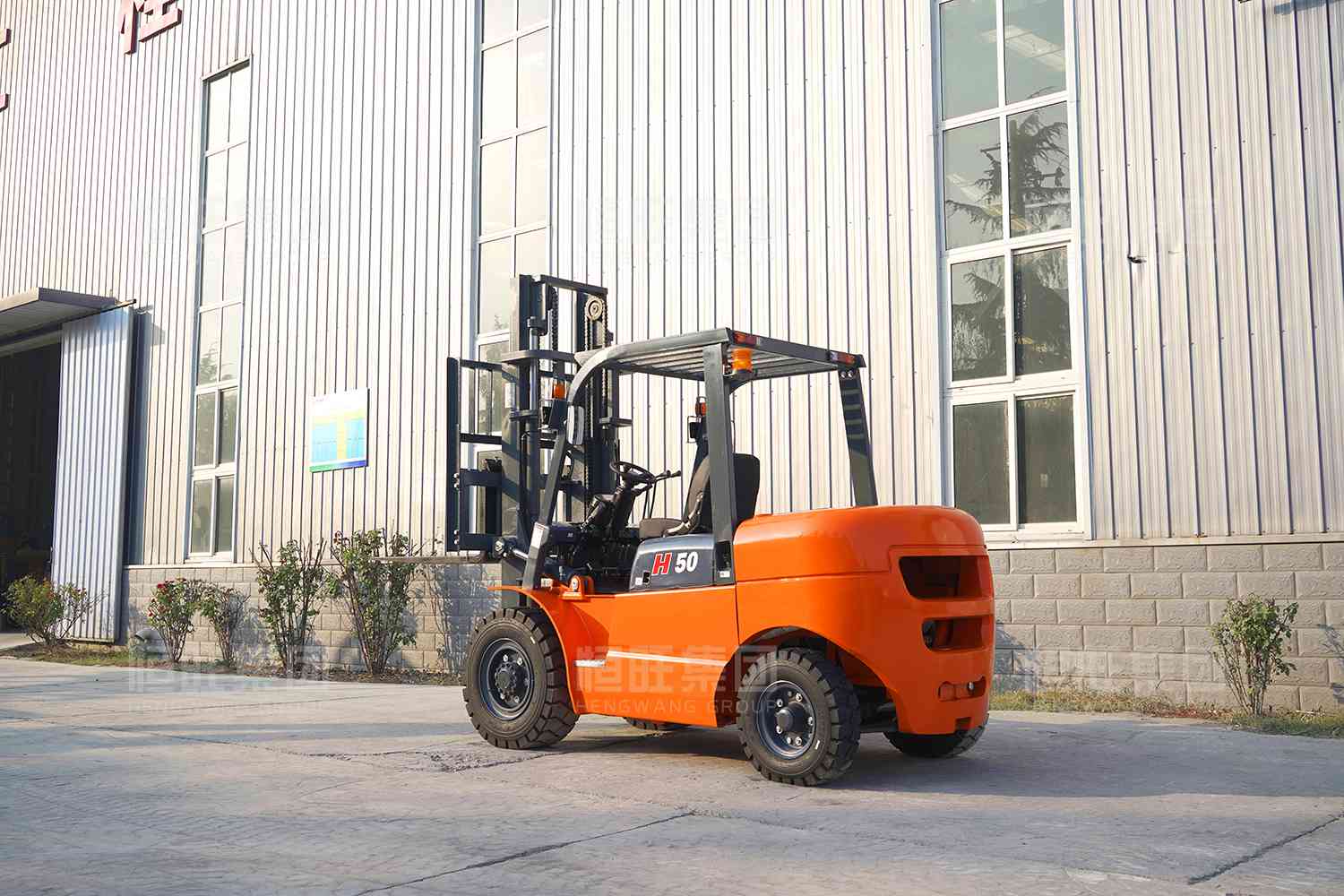
1. Pre-Delivery Preparation: Lubrication for Initial Performance
Before a forklift is handed over to a tenant, pre-delivery inspection and preparation is essential. Technicians lubricate key components—such as wheel bearings, hydraulic systems, and drive chains—using manufacturer-recommended oils. They also check for wear-related issues. This pre-lubrication step ensures the forklift meets “initial performance standards,” preventing early failures caused by insufficient lubrication.
2. Periodic Maintenance: Routine Lubrication for Daily Operations
During active use, forklifts require periodic maintenance (e.g., weekly or monthly checks) that includes lubrication. In high-frequency tasks like warehouse stacking or logistics transport, wheels, gearboxes, and lift chains wear faster due to friction. Regularly topping up or replacing lubricants reduces resistance, maintains operational efficiency, and extends component lifespan.
3. Repair & Component Replacement: Lubrication for New Parts + System Care
When replacing parts (e.g., tires, bearings, hydraulic seals), new components must be pre-lubricated—for example, applying lithium grease to bearings or immersing chains in oil. This ensures stable initial operation. Additionally, inspect the lubrication system (e.g., clear clogged lines, verify pump pressure) to prevent residual sludge from damaging new parts.
4. Seasonal Adjustments: Climate-Adaptive Lubricant Strategies
Extreme weather directly impacts lubricant performance:
Core Takeaway
Lubricants are critical in forklift rentals across 4 scenarios: pre-delivery preparation, periodic maintenance, repair/replacement, and seasonal adjustments. Follow equipment manuals for oil type/viscosity, and adhere to proper application procedures. This reduces wear, lowers long-term maintenance costs, and ensures reliable forklift performance in diverse environments.